Navigating Medicare Guidelines for Seniors Over 65
Parts A, B, C and D, eligibility, and enrollment windows: a plain-English primer for Texans turning 65.

Understanding Medicare for Seniors
As individuals turn 65, they enter a significant phase in their health care journey, particularly with Medicare. This federal health insurance program was established to support retirees and those with certain disabilities. Understanding the guidelines surrounding Medicare can empower seniors to make informed decisions about their health coverage.
Different Parts of Medicare
Medicare is divided into four primary parts: A, B, C, and D. Each part addresses specific health care needs:
- Part A: Covers hospital insurance, including inpatient care, skilled nursing facility care, and hospice.
- Part B: Focuses on outpatient care, offering coverage for physician visits, preventive services, and some home health services.
- Part C: Also known as Medicare Advantage, this part allows beneficiaries to receive their Medicare benefits through private health plans.
- Part D: Provides prescription drug coverage to help seniors manage their medication costs.
Eligibility and Enrollment
To be eligible for Medicare, individuals must be at least 65 years old, a U.S. citizen or legal resident, and have worked for at least ten years in Medicare-covered employment. Enrollment usually begins three months before an individual’s 65th birthday and continues for seven months. It’s essential to enroll on time to avoid late enrollment penalties that can affect premiums.
Key Considerations for Seniors
When navigating Medicare, seniors should evaluate their health needs carefully. Understanding the differences between Original Medicare and Medicare Advantage plans is crucial, as is considering prescription drug coverage. Comparing costs, benefits, and provider networks can help beneficiaries choose the best plan for their needs.
Overall, familiarizing oneself with Medicare guidelines can significantly ease the transition into retirement. By understanding their options, seniors can better ensure they receive the necessary health care as they age.
Keep reading
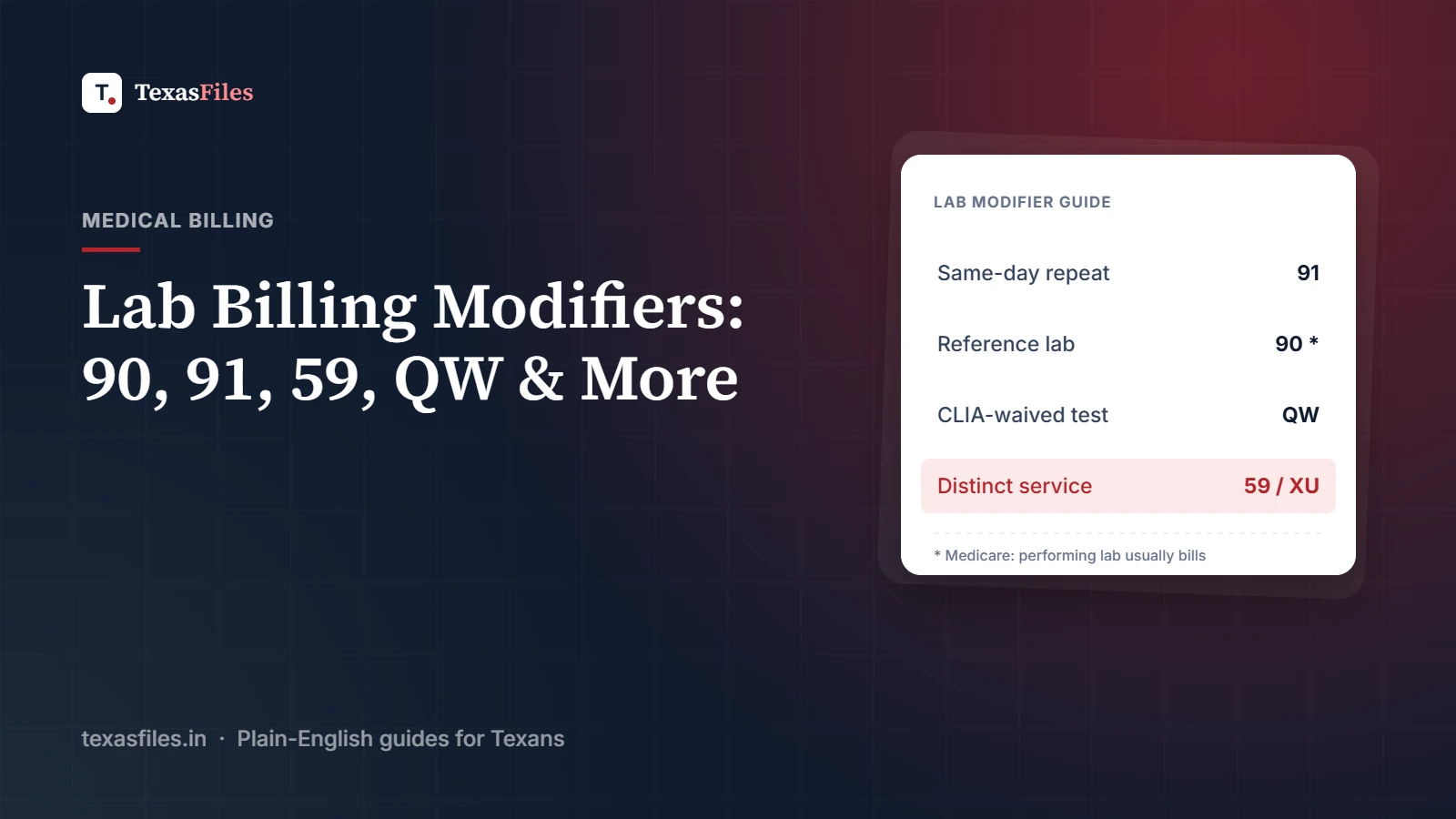
Lab Billing Modifiers Explained: 90, 91, 59, QW, and More
When to use lab modifiers 91, 90, QW, 59 and the X modifiers, 26 and TC, and ABN modifiers, plus the common mistakes that cause duplicate and bundling denials.
·4 min read
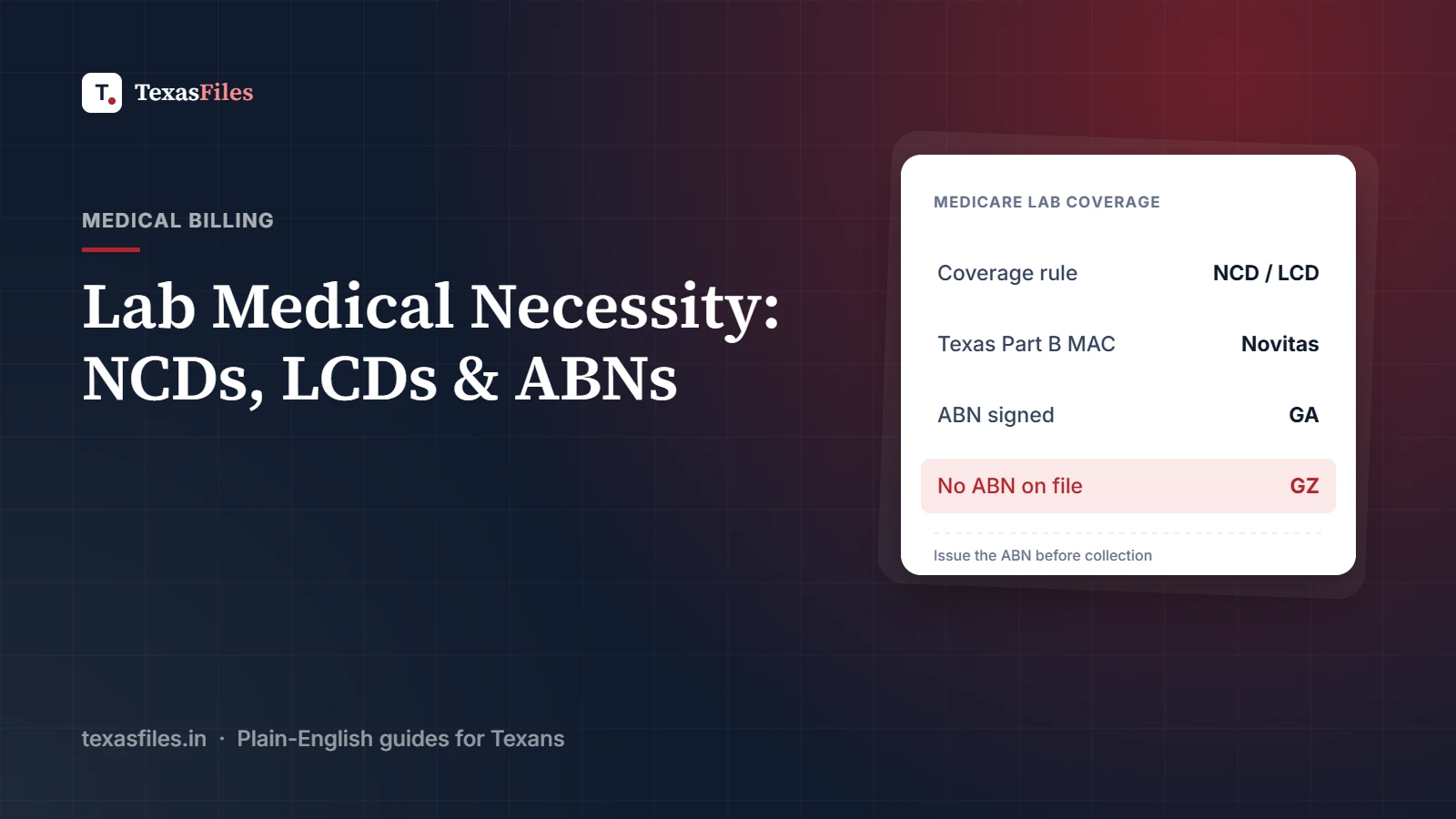
Lab Medical Necessity: NCDs, LCDs, and ABNs Explained
How Medicare decides if a lab test is covered: lab NCDs, Novitas LCDs, frequency limits, and when to use an ABN with modifiers GA, GZ, GX and GY.
·5 min read

CLIA Certificates and Modifier QW: Billing Waived Lab Tests
CLIA certificate types, where the CLIA number goes on the CMS-1500 and 837P, and when Medicare requires modifier QW for waived lab tests.
·4 min read